
Careers can collapse quickly—but they can also rebound. This year’s most notable career comebacks show how business leaders, public figures, and cultural icons have attempted to reclaim influence, credibility, and relevance. While not every comeback succeeds, a few stand out for their scale, timing, and impact
Telecommunications billionaire Charles Ergen staged one of the most dramatic business comebacks of the year. After EchoStar faced regulatory scrutiny and financial distress over missed 5G rollout deadlines, Ergen met with President Donald Trump and FCC Chair Brendan Carr, triggering a strategic pivot. Instead of building the network, EchoStar sold its spectrum assets to AT&T in a $23 billion deal. The turnaround restored investor confidence, quadrupled Ergen’s fortune to $14 billion, and brought him back as CEO in November. He later signed a partnership with SpaceX to power direct-call services.
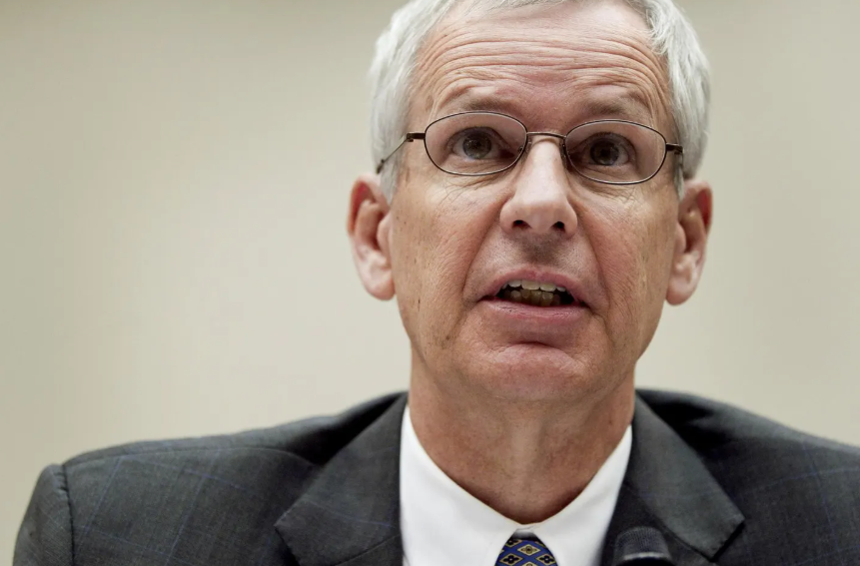
Charles Ergen, CEO of EchoStar
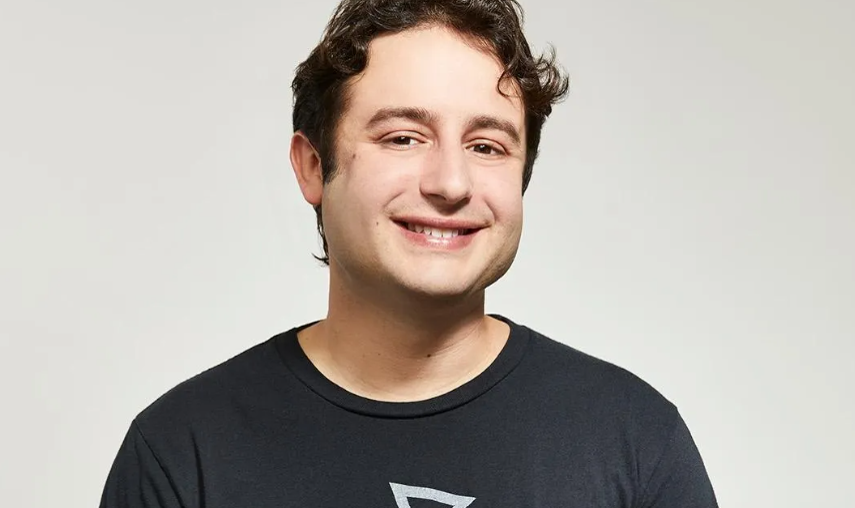
Dylan Field, Cofounder and CEO of Figma
Dylan Field’s comeback followed years of uncertainty after Adobe’s proposed $20 billion acquisition of Figma collapsed amid regulatory concerns. Investor doubts and stalled growth clouded the company’s future. In July 2025, however, Figma’s IPO raised $1.2 billion, with shares surging on debut. Field’s net worth spiked, and the successful listing validated Figma’s independence and long-term vision.
After 15 years of public feuding, Liam and Noel Gallagher reunited Oasis for their “Live 25” tour. The comeback was a commercial triumph, with sold-out shows across the UK, Ireland, and North America and more than $405 million in ticket sales. Their return pushed Oasis back up the charts, attracted a new generation of Gen Z listeners, and revived the band’s legacy—demonstrating the power of time, nostalgia, and reconciliation.
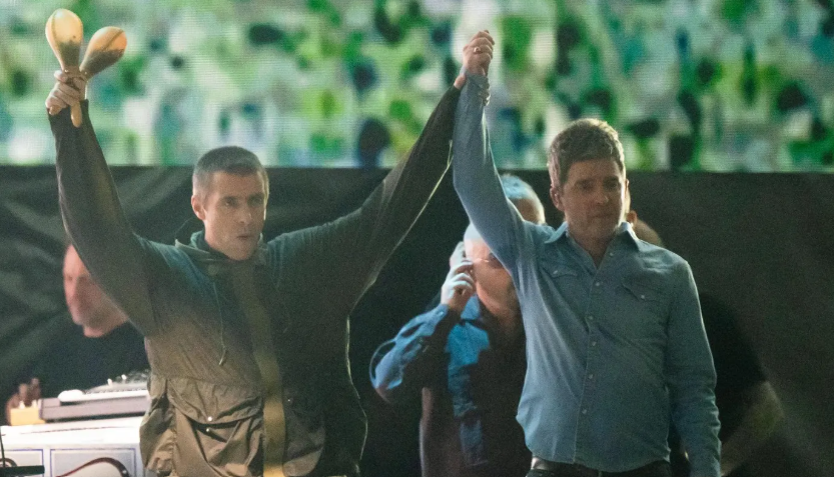
Liam and Noel Gallagher, musicians,Oasis
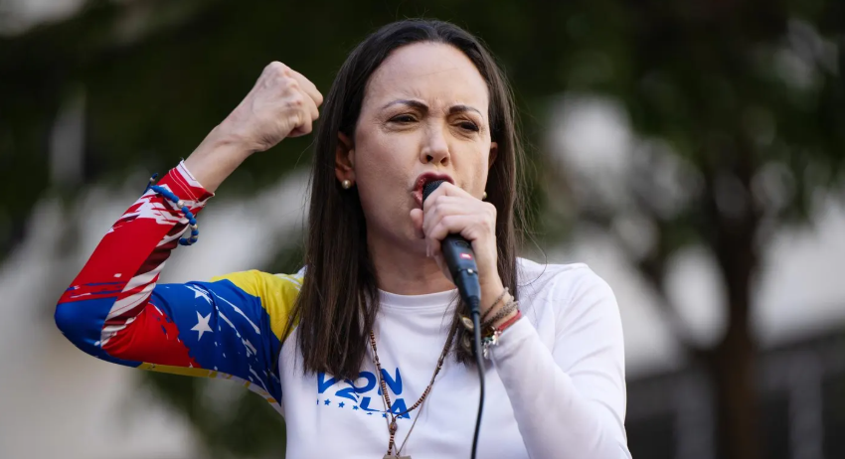
Maria Corina Machado, Venezuelan Politician
Venezuelan opposition leader Maria Corina Machado continued her fight against President Nicolás Maduro’s regime despite being forced into hiding. Her sustained advocacy for democratic transition earned her the Nobel Peace Prize, awarded for her commitment to democratic rights and peaceful change. Though unable to attend the ceremony initially, her recognition marked a powerful form of global validation.
Anne Wojcicki experienced a turbulent year as 23andMe filed for bankruptcy following years of losses and a major data breach. Forced to step down as CEO, she later reclaimed leadership by purchasing the company through her nonprofit, TTAM Research Bid, for $305 million. The move restored her position and control over the company’s future.
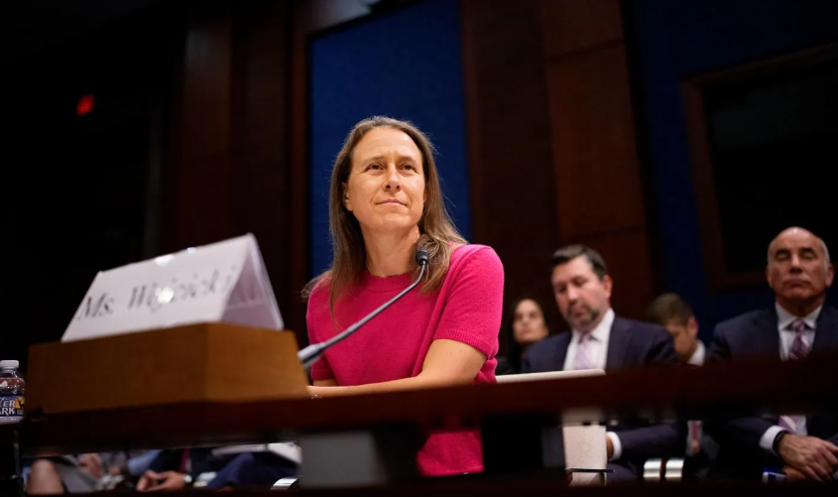
Anne Wojcicki, Cofounder and CEO of 23andMe
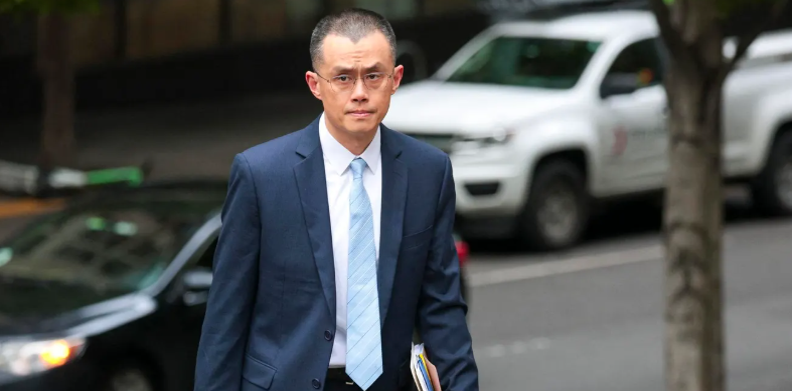
Changpeng Zhao (CZ), Founder of Binance
Crypto billionaire Changpeng Zhao, known as CZ, returned to the industry after pleading guilty to money laundering and sanctions violations in 2023. After paying a $4.3 billion fine, serving four months in prison, and receiving a presidential pardon, Zhao resumed investing through YZi Labs. His re-entry underscores how legal resolution and political shifts can reopen doors—even in heavily scrutinised industries.
These stories underline a critical truth: a comeback is rarely a straight line. It is shaped by accountability, timing, credibility, and the willingness to confront past failures rather than erase them. Some attempts collapse under public scrutiny, while others succeed because circumstances change, lessons are learned, and trust is gradually rebuilt.
Across business, politics, and culture, successful comebacks tend to share common elements. Leaders who return with clarity of purpose, transparent governance, and a realistic understanding of stakeholder expectations are more likely to regain relevance. In contrast, comebacks driven solely by ambition, without reflection or reform, often struggle to gain acceptance.
In an era of constant visibility and rapid judgment, redemption is neither guaranteed nor permanent. Yet these examples show that careers and reputations are not always defined by their lowest point. With responsibility, patience, and strategic recalibration, a second act can emerge—sometimes quieter, sometimes stronger, but often wiser than the first.