
While we choose a shoe or try a shoe in fact when the shoe is finally checked in the production line, the outer dimension (such as outsole size) can be measured visually but does not reflect the space inside. When selecting the right shoe size, the inner dimension is the key factor in ensuring comfort and proper fit. Once a shoe is fully made, its outer structure can be checked, but this doesn’t guarantee that the inner space meets the required specification. That’s why, during the final inspection, a specific tooling method is used to accurately measure the inner shoe length, ensuring the shoe provides the correct size and meets quality standards.
What ensures stability and homogeneity of inside shoe length: -
- A correct last: version, dimension in compliance with last maker information.
- A validated 2D last gauge (dimensions and orientation) A Shell pattern which respects last volume.
- A correct grading (increments, grading center, rules).
- Production line machines are well set up.
- Working operators are trained.
- A finished sole which respects upper dimensions.
Different tools for Inside shoe length Checking: Inside shoe length is very difficult to define because no universal tool exists (for example: calipers, tape measure). Few tools are used by re known brands for checking the inside length of a shoe.


The SATRA STD 225 internal shoe size gauge is an easy-to-use device used to estimate the approximate size of footwear, based on measuring the internal length of footwear. The gauge comprises a flat bar, which is inserted in the shoe and pushed into the toe. A movable heel section slides over a measuring scale, thus allowing a curved heel bar to be positioned in contact with the inside of the heel. The length is then determined by moving the device vertically and locating the curved bar to the point of maximum heel curvature. At this point, the size of the footwear can be read off the scale. There are four standard versions of the internal shoe size gauge available, which cover the adults’ sizes – two marked in UK sizes and two marked in millimeters. Again, bulk quantities can be supplied with different sizes.


A footwear measuring apparatus includes a body, a plurality of probes, one or more measurement devices and at least one calibration sensor. The plurality of probes are configured to extend from the body. The measurement devices are configured to measure distances that the plurality of probes extend from the body, wherein the distances indicate fit parameters of footwear. The at least one calibration sensor is configured to determine if the footwear measuring apparatus is properly positioned inside of the footwear for measuring.
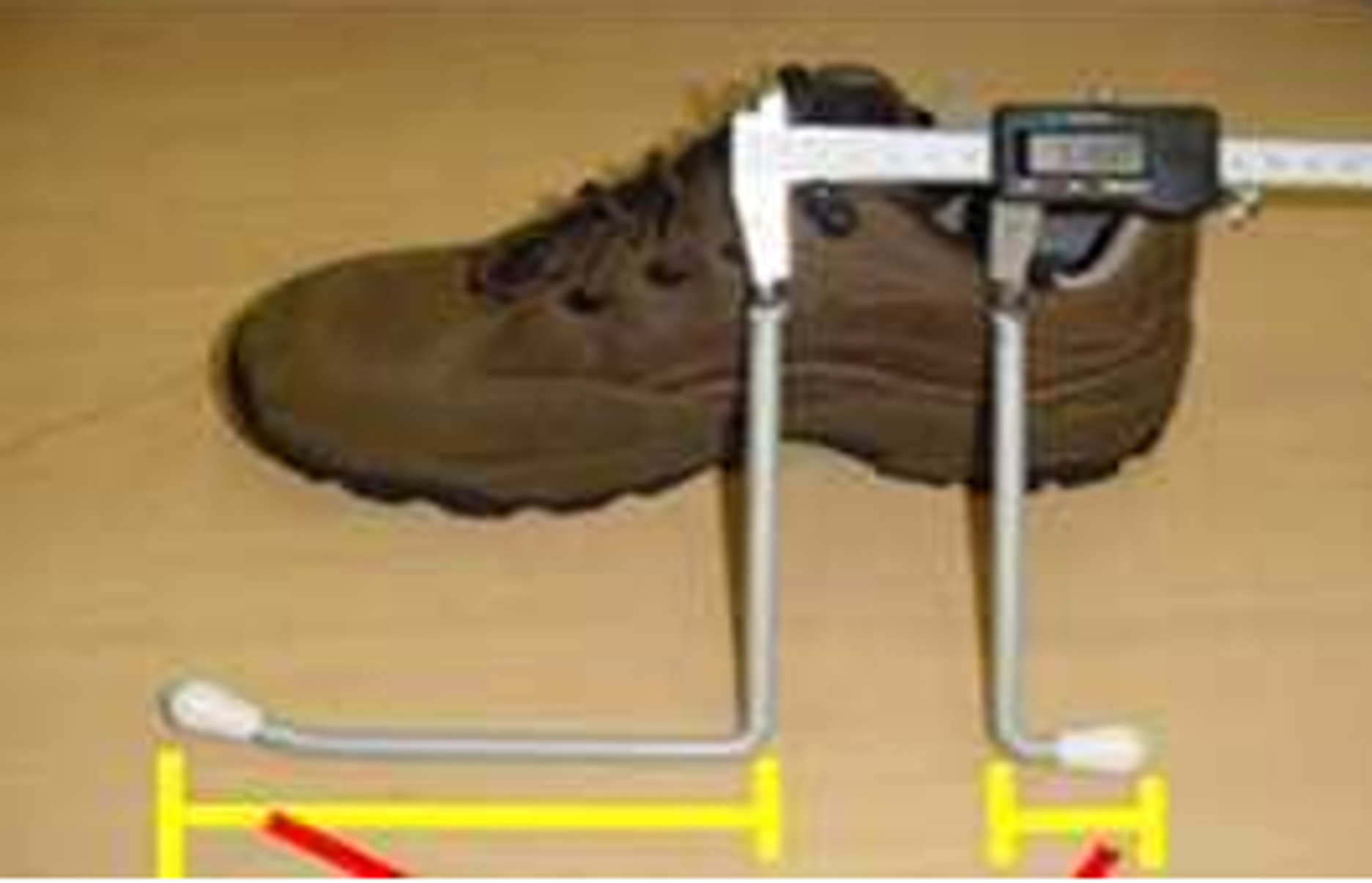
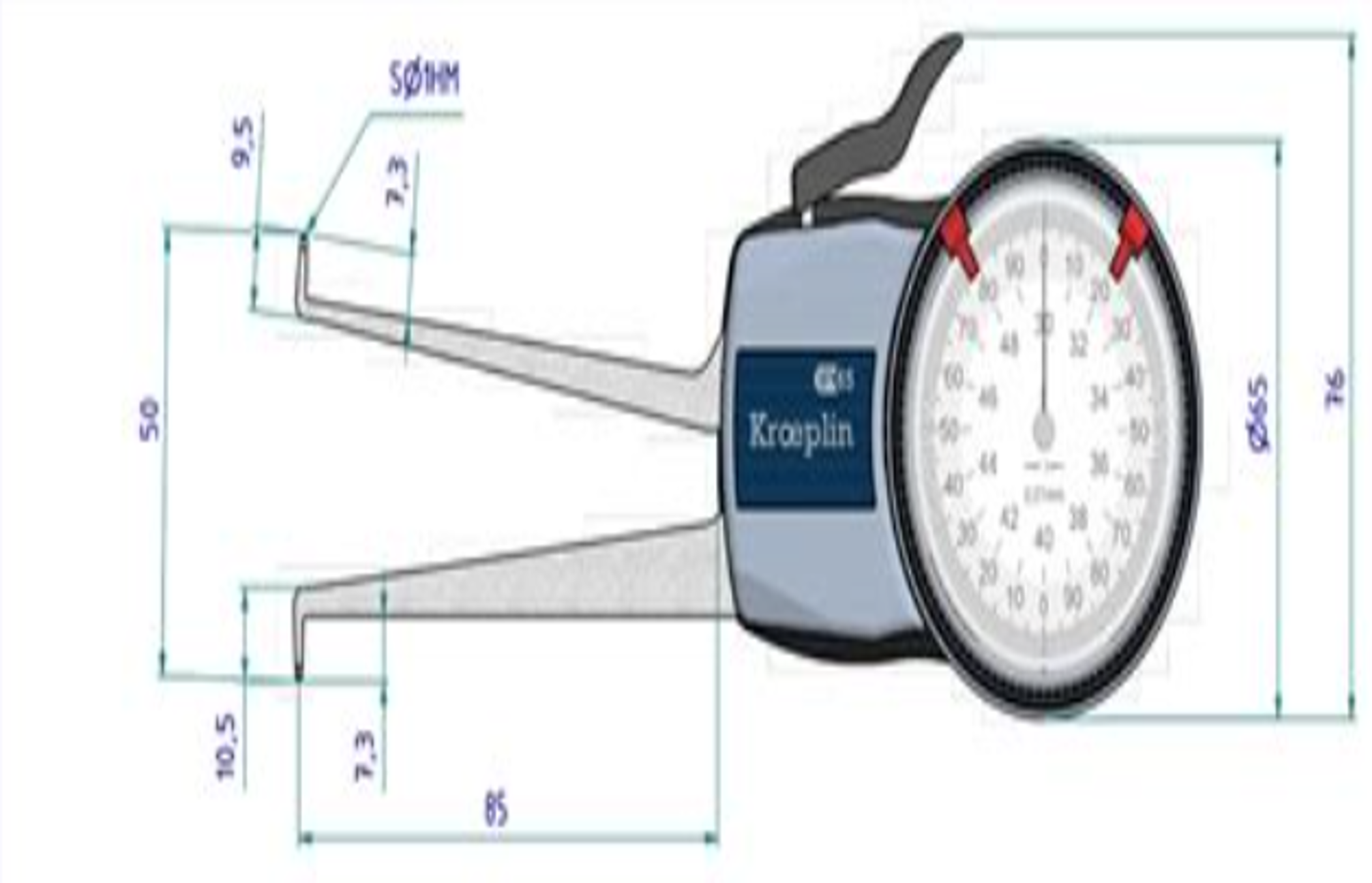
To measure the internal shoe length, insert the customized caliper inside the shoe, ensuring it reaches both the toe and heel areas. Adjust the arms to fit snugly, lock the measurement, and read the display for accuracy. Finally, cross-check the reading with the required size standards

SIR tool is composed of one body: 1spring, 1 cursor 8 sticks (1 stick for 2 sizes). There is a color code in stick based on the shoe size and based on it specific stick need to attach with the spring body. Then it needs to insert along the shoe axis(toe to heel) and taking the measurement from the cursor body.
Condition of use:
- Tools must be used 48 hours after delasting. Some soft types of shoes like without counter or toe puff cannot be measured by inside length measuring tools.
- Some tools cannot be inserted in High leg Boots.
- Length Measuring tool cannot be substituted to the fitting: - Fitting allows 3D shoe dimensions validation according foot dimensions. This kind of length measuring Tooling allows only 2D shoe dimension validation according to Size Chart.

Source: SATRA, NIKE, Decathlon