
What is Campus Ambassador program?
Campus Ambassadors are Footwear Exchange’s informal position to students is not working from office and purely task-based assignment as per company need. It is initially an unpaid position but can paid if task demand.
What is Campus Ambassador Responsibilities?
Campus ambassador will support developing content, design content related photos, create and develop video, interviewing professionals, arrange events, collecting world industry news, industry report and perform Footwear Exchange assigned job. They will be responsible for publishing monthly e-magazine of Footwear Exchange. They will responsible for marketing Footwear Exchange activities. They will generate creative ideas that support overall industry and Footwear Exchange.
Why do you want to become a campus ambassador?
Being a campus ambassador is a deeply rewarding opportunity both on a personal level and in terms of your career prospect after leaving campus. As a Campus Ambassador, you can get involved with many different types of work allowing you to develop skills that you already have as well as gain new ones. We expect by working different project and regular task-based activities, you sharpen your communication and interpersonal skills, presentation skills and teamwork. There are lot of intangible benefit you can create yourself by using this platform.
Duration of campus ambassador program?
It is a year long program. After 6 months both parties can evaluate expectations and can stop continuation by mutual agreement.
Number of position available?
Maximum 6 at a time.
Who can apply?
For the first program, we reserve sit only for students of ILET,DU and LE,KUET and related graduate course.
Application, deadline and selection process?
November 20, 2020 : Please send your contact details with cover note ‘Why Footwear Exchange hire you?’ to info@footwearexchange.com
November 27, 2020: Deadline to submit individual task report given by Footwear Exchange as per your cover note.
December 5, 2020: Selection and declare campus ambassador for DEC 20- MAY 21 period.
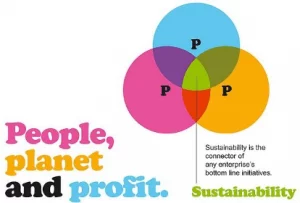
The Three Pillars of Sustainability
In 2005, the World Summit on Social Development identified three core areas that contribute to the philosophy and social science of sustainable development.
Economic Sustainability (Profit)
Economic sustainability is used to define strategies that promote the utilization of socio- economic resources to their best advantage. A sustainable economic model proposes an equitable distribution and efficient allocation of resources. The idea is to promote the use of those resources in an efficient and responsible way that provides long-term benefits and establishes profitability. A profitable business is more likely to remain stable and continue to operate from one year to the next.
Social Sustainability (People)
Social sustainability occurs when the formal and informal processes; systems; structures; and relationships actively support the capacity of current and future generations to create healthy and livable communities. Socially sustainable communities are equitable, diverse, connected and democratic and provide a good quality of life.
Environmental Sustainability (Planet)
Environmental sustainability occurs when processes, systems and activities reduce the environmental impact of an organizations facilities, products and operations.
Environmental Issues
When practicing ethical & responsible sourcing within procurement, the environment should be considered. When considering environmental factors, the following areas should be investigated:
- Pollution
- Recycling
- Renewable processes
- Sustainability
Sustainability & Environmental issues can be ensured by achieving different kind of accreditation like ISO, WRAP etc. Like other standards most of the companies are reluctant to these accreditations also. They only think about these if buyer imposes. Even after buyer requirement they practices window dressing to hide their malpractices. Stewardship is needed to embed it into company culture.
The application of Ethical & responsible sourcing will only become a large part of procurement as time goes on. Today, across the globe, the interest and concern of fellow human beings and the environment is key. To ensure that procurement & supply chain professionals always make the best decision to provide ultimate value for money. Contracting with a supplier who meets the evaluation criteria and can provide good value for money throughout the agreement is important. When considering good value this should include not only the price, but also ethical, environmental and sustainable conduct should be considered.
Leather Industry of Bangladesh contributes significantly to national income, but it largely been based on low paid and flexible labor. Workers are often treated poorly and the sector failing to guarantee fundamental workplace rights throughout its supply chain. Environmental factors are not given expected level of importance during sourcing. All the stakeholders of Leather Industry should come forward to uphold Ethical & Responsible Sourcing practices. In short term it seems to be reason for lower profit but in long run these practices will give higher yield in terms of profitability and business opportunity.
Author
Sheikh Nafiz Ahmed
MBA II Certified Supply Chain Analyst II
Experienced Leather Sector Supply Chain Professional