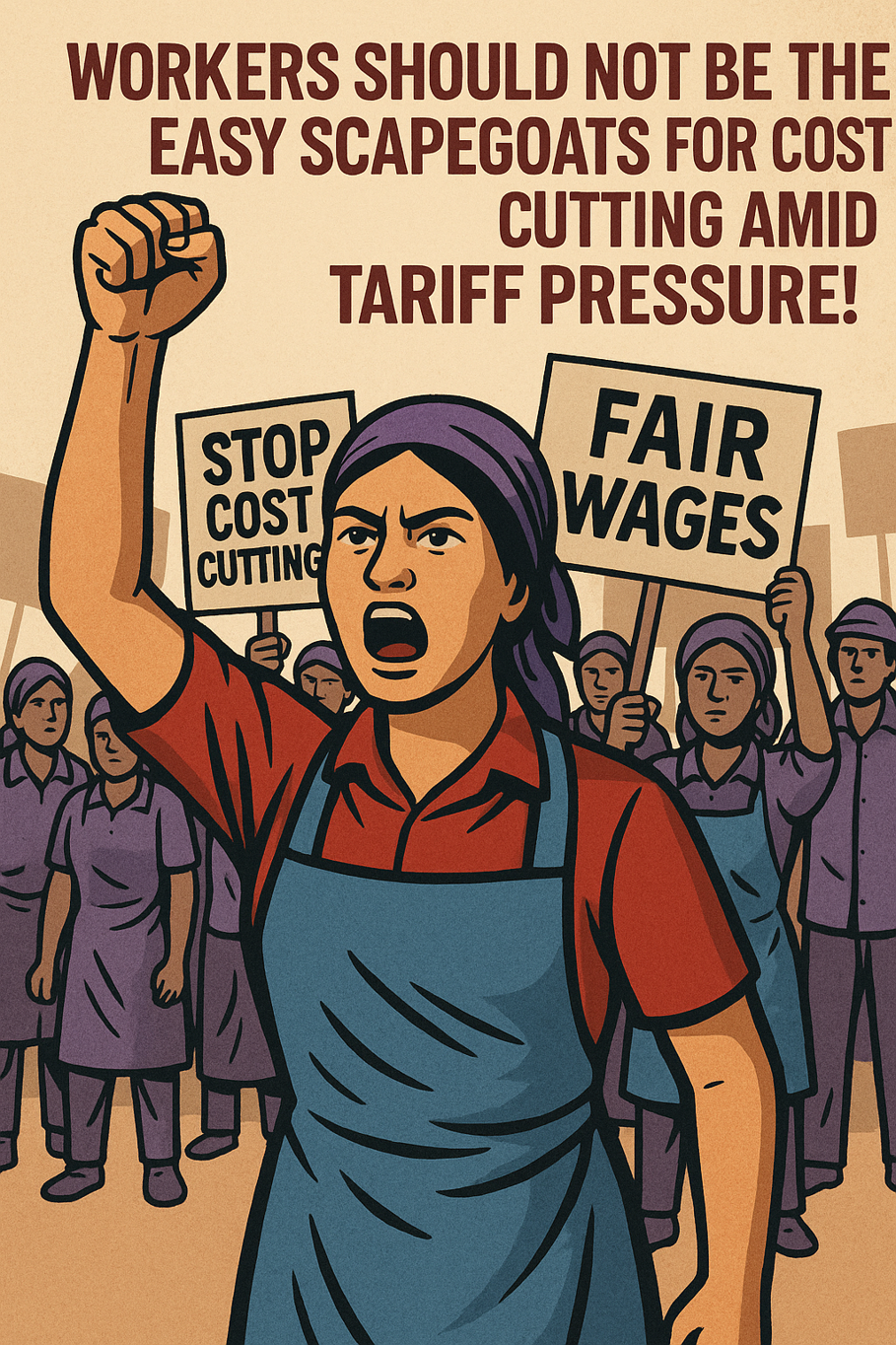
The recent tariff policies announced by the United States have caused a significant stir in the global apparel and leather goods market. While the economic implications of such trade decisions are widely discussed, the human impact often remains overlooked. However, these decisions directly affect millions of workers in developing countries like Bangladesh, Vietnam, India, and Cambodia—workers who toil day and night to produce garments and products sold in global markets.
Only 3% of the apparel sold in the U.S. is manufactured domestically, while the remaining 97% is sourced from various developing countries. Workers in Asia are already engaged in production at extremely low wages. When tariffs rise in major markets like the U.S., brands impose downward price pressure on suppliers. As a result, factories attempt to cut costs—often starting with wages, overtime pay, bonuses, and other worker benefits.
This creates a vicious cycle—brands pressure factories, factories pressure workers, and ultimately, workers are left without any safety net. To survive, factory owners stop wage increments, increase workloads, resort to layoffs, or even compromise on workplace conditions. Workers have little to no bargaining power, no voice on the global stage—yet, they are the backbone of the industry
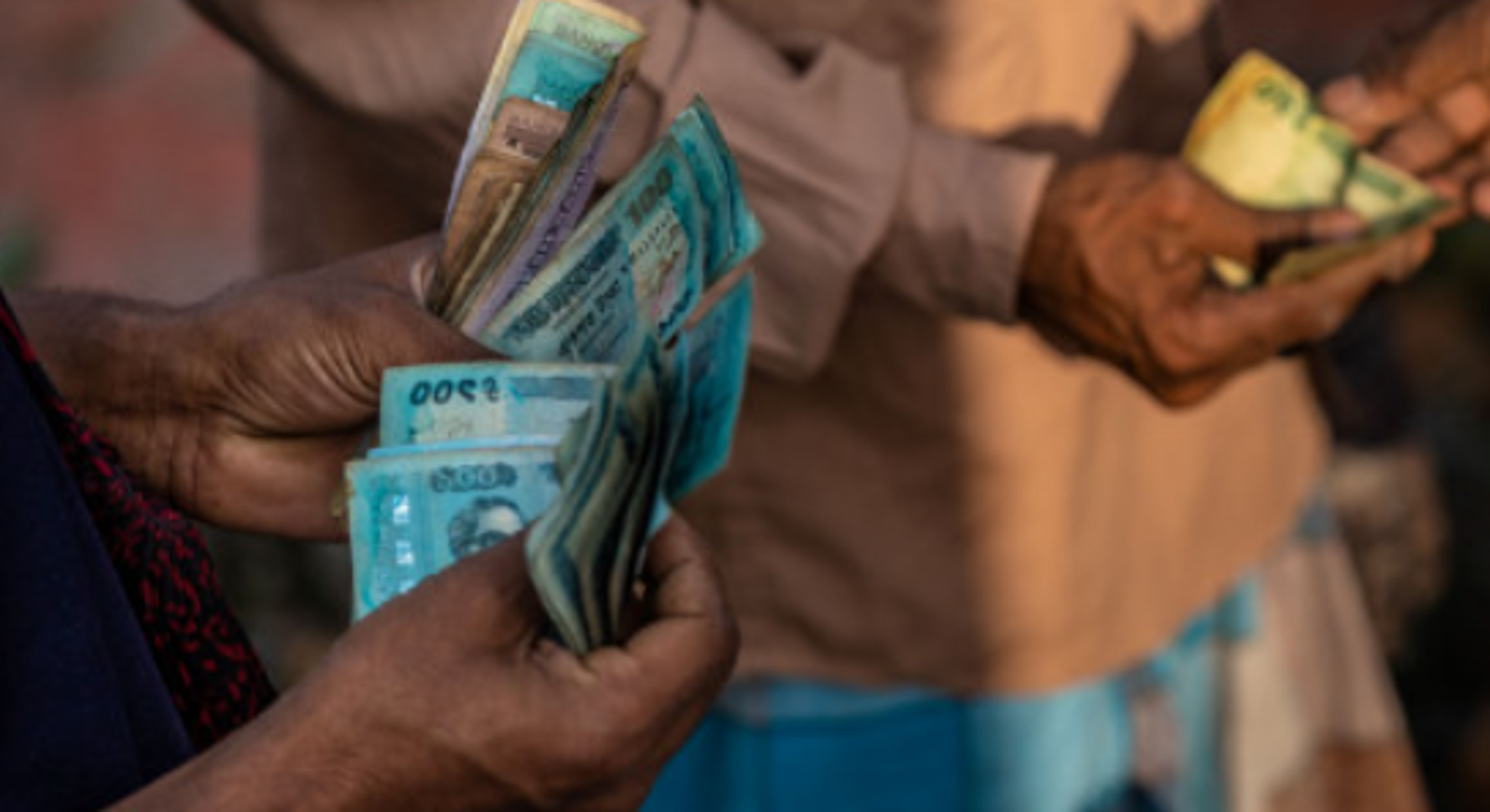
The only way to break this cycle is through shared responsibility. Brands must integrate ethical sourcing policies that prioritize fair wages and worker protection. Manufacturers should focus on efficiency and technology to reduce costs without burdening workers. Workers must also be aware of the situation and contribute through increased productivity. At the same time, governments need to play a more proactive role in enforcing minimum wage laws, healthcare access, and labor rights.
Lastly, consumers, too, must be conscious of their purchasing decisions. If a product seems unusually cheap, we must ask—who is truly paying the price? Often, it is the worker—through their labor, sweat, and compromised rights.
A sustainable industry is only possible when profits and human values go hand in hand. If tariff pressures arise, let the burden be shared across the supply chain—not fall solely on the shoulders of the workers.