

putrefaction of raw hides and skins means the decay of protein and other hide materials due to bacterial action. So long as an animal is alive, the life force of animal saves the hide and skin from proteolytic bacterial attack. This bacteriological conversion of protein and other hide materials to different organic compounds is called putrefaction of raw hides and skins.
Why Curing Matters
Raw hides and skins are composed of protein-rich tissue that begins to decay rapidly due to microbial and enzymatic activity. In the hot, humid post-Eid weather of Bangladesh, this process can begin within 5–6 hours.
Curing halts decomposition by removing moisture, neutralizing bacteria, and stabilizing the collagen structure—the core of good-quality leather. If done correctly, temporary curing preserves the economic value of the raw material and ensures quality downstream in tanning and leather production.
Salting is the most common and practical method of curing in Bangladesh.
How it Works:
- Use clean, coarse salt—around 40–50% of the hide’s weight.
- Spread salt evenly on the flesh side of the hide.
- Stack hides flesh-to-flesh, avoiding excessive compression.
- Store in a cool, shaded area for 5 to 10 days.
Benefits:
 Inexpensive and accessible
Can preserve hides for several weeks
Retains leather-making quality
Precautions:
Never use fine grain salt or dirty salt.
Remove blood, dirt, dung, and fat before salting.
Don’t stack too many hides together—this blocks air and causes rotting.
Wet Salting – Useful in High Heat and Humidity
This method involves mixing salt with a small amount of water to make a paste.
How it Works:
- Apply the salt-water paste thickly on the flesh side.
- Let it cure for 3 to 5 days.
Ambient temperature is high Quick salt penetration is needed Hides will be transported soonSun Drying – A Traditional, Low-Cost Option
Drying is simple and doesn’t require salt, making it suitable for remote or low-resource settings.
How it Works:
- Clean and stretch hides flat, ideally under shade or indirect sunlight.
- Leave for 3–5 days until fully dried.
Limitations:
- Thick hides may not dry uniformly.
- Overexposure to sunlight may make hides brittle and hard.
- Dry hides are more difficult to process in tanneries.
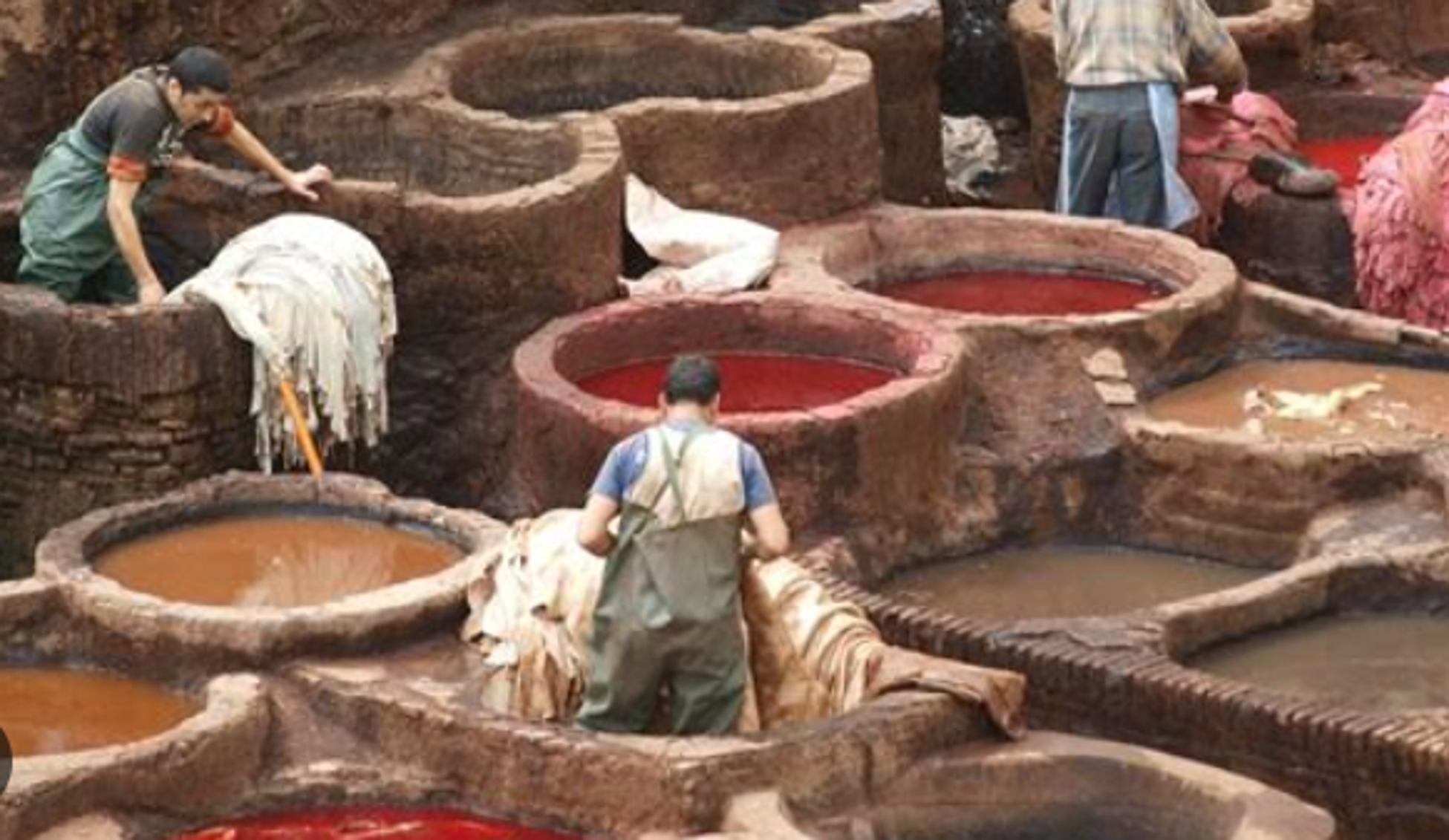
Brine curing uses saltwater baths (sodium chloride solution) to soak hides.
How it Works:
- Prepare a brine solution (18–25% salt).
- Soak hides for 12–24 hours, then drain and stack for storage.
Advantages:
Quick penetration
Even distribution
Reduces salt waste
Limitations:
Requires containers or tanks and proper disposal systems.
An innovative approach being adopted by large NGOs and hide collectors.
How it Works:
- Load hides and salt (40–50% of hide weight) into a concrete mixer.
- Rotate for 5–10 minutes, ensuring even salt coverage.
- Stack and store as usual.
Why It’s Effective:
Saves time
Ensures uniform salt application
Reduces labor
Ideal for urban centers, district-level collection hubs, or cooperative organizations
- Chilling or Freezing – Rare but Effective
Chilling (-2°C to 4°C) and deep-freezing (-20°C) preserve hides for extended periods.
Use Cases:
High-value skins (e.g., goat or sheep) Exporters or industrial processors
Limitations:
- Expensive
- Requires cold storage infrastructure
- Not viable for mass post-Eid use
Best Practices During Korbani Eid
- Start curing within 2–4 hours after flaying
- Avoid plastic bags—they trap moisture
- Train volunteers in proper cleaning and salting
- Encourage local mosques to set up curing stations
- Coordinate with tanneries or hide traders for prompt collection
Every year, 20–30% of sacrificial hides are wasted in Bangladesh due to poor preservation. With better awareness, local engagement, and the use of practical curing methods like dry salting, brine curing, and concrete mixer salting, this wastage can be significantly reduced.
By ensuring timely and correct curing, communities can protect the value of these hides, support the national leather sector, and minimize environmental harm.
Source: Ref. Book of SS Dutta, Picture from TBS