
The leather value chain is deeply tied to land systems. From livestock farming and hide procurement to waste disposal from tanneries, the sector impacts soil health, water retention, vegetation cover, and even climate resilience. In regions where leather production is concentrated — including South Asia, Sub-Saharan Africa, and Latin America — this link between industry and land is becoming more evident, and more alarming.
Common Perceptions: Leather Harms the Planet
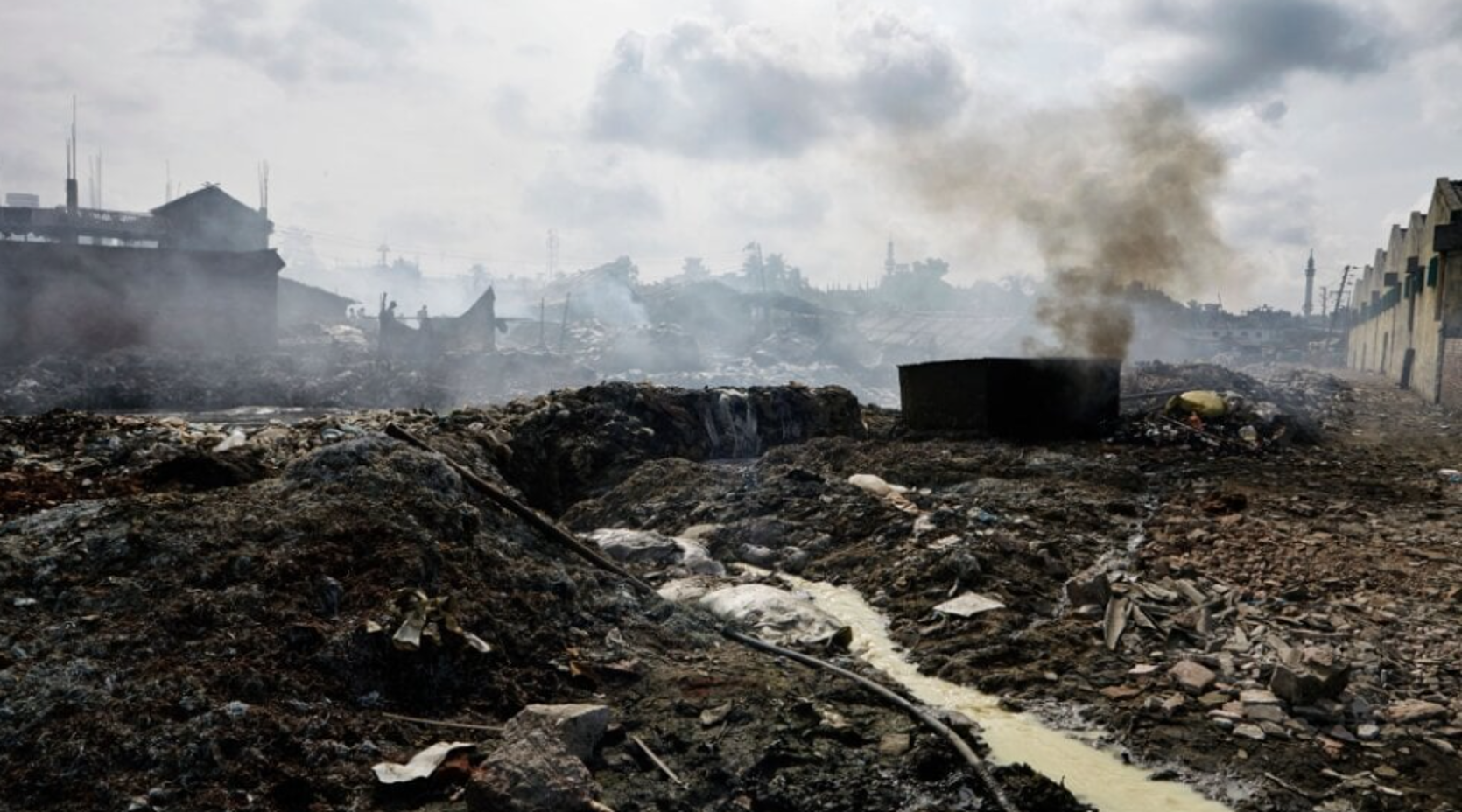
The leather industry has long been perceived as a driver of environmental damage — and not without reason. Several aspects of the traditional leather value chain contribute to land degradation, water pollution, and chemical waste, especially when poorly regulated.
 Deforestation and overgrazing for livestock are blamed for soil erosion and desertification — especially in Latin America and Sub-Saharan Africa.
Excessive water use: Chrome tanning processes can consume 50,000–60,000 liters of water per ton of hide.
Toxic sludge and effluent discharge contaminate soil, rivers, and aquifers — affecting both land and drought resilience.
Solid waste and untreated trimmings end up in landfills, releasing methane and leaching into soil.
Air pollution and odors from poorly managed tanneries impact both health and nearby farmland productivity.
Unsustainable sourcing without traceability increases risks of ecological damage and land misuse.
In Bangladesh’s Savar Tannery Estate alone, over 25,000 cubic meters of wastewater and 100 tons of solid sludge are generated daily. Improper handling of these materials might severely impact the Dhaleshwari River and surrounding land.
 Leather as a Regenerative Opportunity- A different story.
Despite the valid concerns, the leather sector also holds unique regenerative potential — especially if we look at it through the lens of innovation, circularity, and sustainable sourcing.
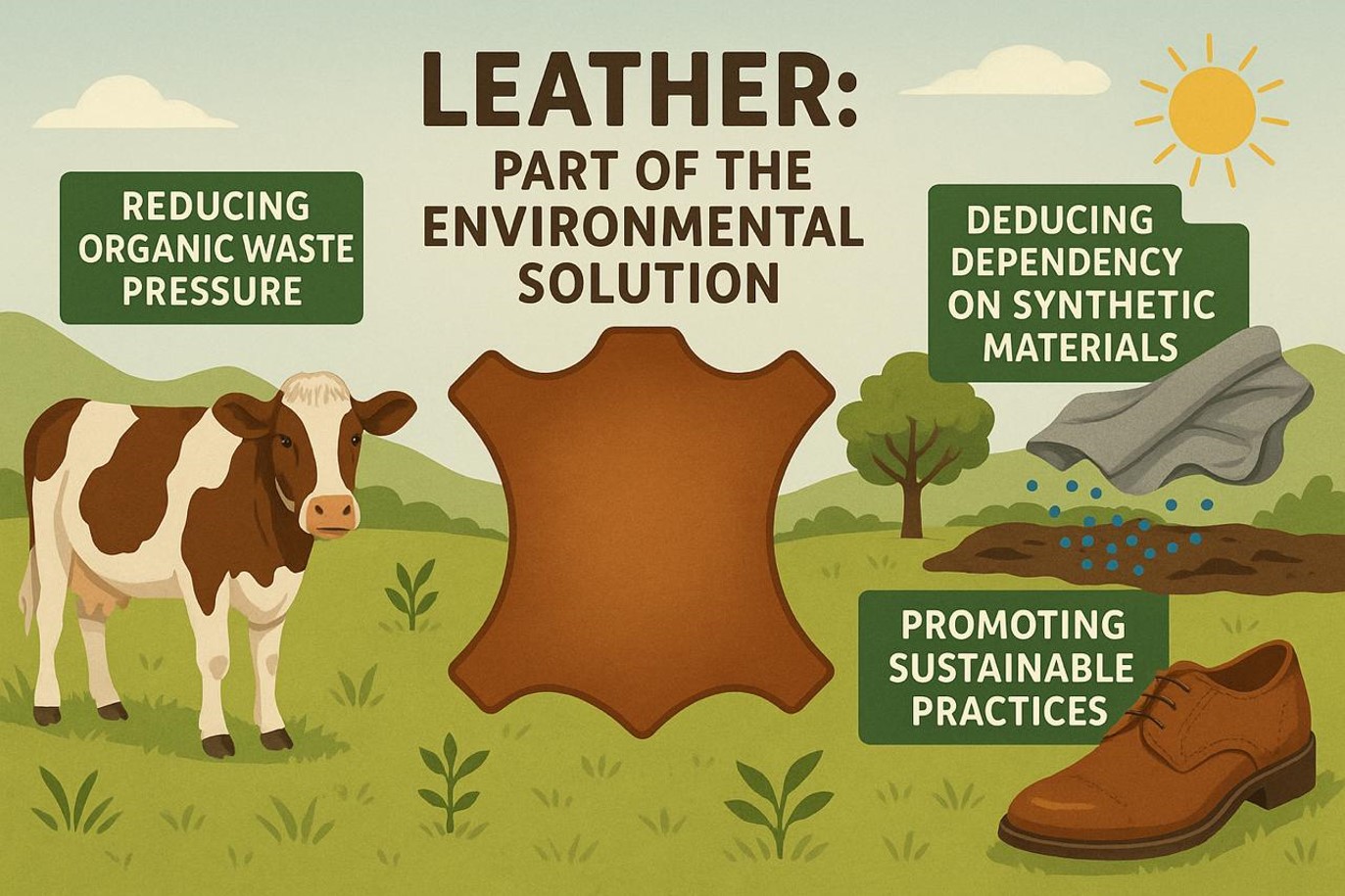
When leather is sourced from regenerative farms, it supports land healing rather than degradation. Regenerative grazing mimics natural herd movement, improving soil fertility, increasing organic matter, and boosting water absorption, all key to drought resilience. Regenerative grazing can increase soil carbon by up to 3–5 tons per hectare annually and improve rainfall infiltration over 30%.Brands like Timberland and Savory Institute partner with farms where cattle grazing is used to restore grasslands and increase carbon retention in soil
2.Preventing Landfill and Organic Waste Pressure
Every unused hide is organic waste — and when dumped, it emits methane, leaches into soil, and stresses landfill ecosystems, especially during high-volume events like Eid-ul-Adha in South Asia. By processing these hides into leather rather than letting them rot:
- Landfill pressure is reduced
- Organic pollutants are managed
- Valuable land is preserved from contamination
In 2023, over 100,000 hides were wasted in Bangladesh post-Eid due to poor preservation and low market value, creating enormous unmanaged biological waste which could be managed through a strong focus on leather sector.
3. Stopping Soil Pollution By reducing the demand for synthetics
Compared to PU (polyurethane) or PVC-based synthetic leathers, genuine leather — when responsibly produced — is longer-lasting, biodegradable, and requires less fossil fuel input. Avoiding plastics means avoiding microplastic pollution of soil. A durable leather shoe may replace 5–6 pairs of synthetic ones over a decade.
In drought-prone zones, water use matters. Traditional tanning uses large volumes of freshwater — but newer technologies can:
- Reduce water use by up to 50–70%
- Enable rainwater harvesting for process water
- Recycle treated effluent for non-potable reuse
In India’s drought-hit Tamil Nadu region, tanneries using water-recycling plants saved up to 18 million liters of groundwater annually.
5. Turning Brownfields into Greenfields:Land Reclamation Projects
With proper cleanup, former tannery brownfields can be rehabilitated using phytoremediation and reforestation. Land once seen as dead can be brought back to life — especially in zones like Hazaribagh or parts of Kanpur and Cairo. UNIDO-led pilot projects in Ethiopia and Morocco showed land recovery in 2–5 years after tannery pollution clean-up.
6. Industry as a Partner in National Land Goals
Bangladesh is a signatory to the UNCCD & has pledged to restore 500,000 hectares of degraded land by 2030. The leather sector can be a valuable partner by Funding & Supporting community-based composting of pre-tanning waste as well as Participating in land-neutral production certification.
 Conclusion: A New Footprint for Leather
The leather industry can either contribute to land degradation — or become a driver of land restoration. The choice lies in how we source, how we tan, and how we design for durability.
Source :
UNCCD, UNEP, FAO, Savory Institute, UNIDO, LWG, Council for LE (India) & Newspaper