
Joining a footwear and leather products factory is more than just starting a job—it’s the beginning of a journey which opens the door to learning the art and precision behind making high-quality shoes, bags, belts, and other leather goods that reach markets around the world.
From material cutting and stitching to final assembly and quality checks, every step in the production process is a chance to develop valuable skills. Junior team members gain hands-on experience with specialized tools and machinery while learning the importance of attention to detail, consistency, and teamwork in a fast-paced environment. More than just a workplace, the factory is a space of growth—where dedication, discipline, and a willingness to learn can pave the way for long-term career opportunities in the leather and footwear industry
Survey based on feedback from 54 employees across 23 factories, with 6 months to 5 years of experience.
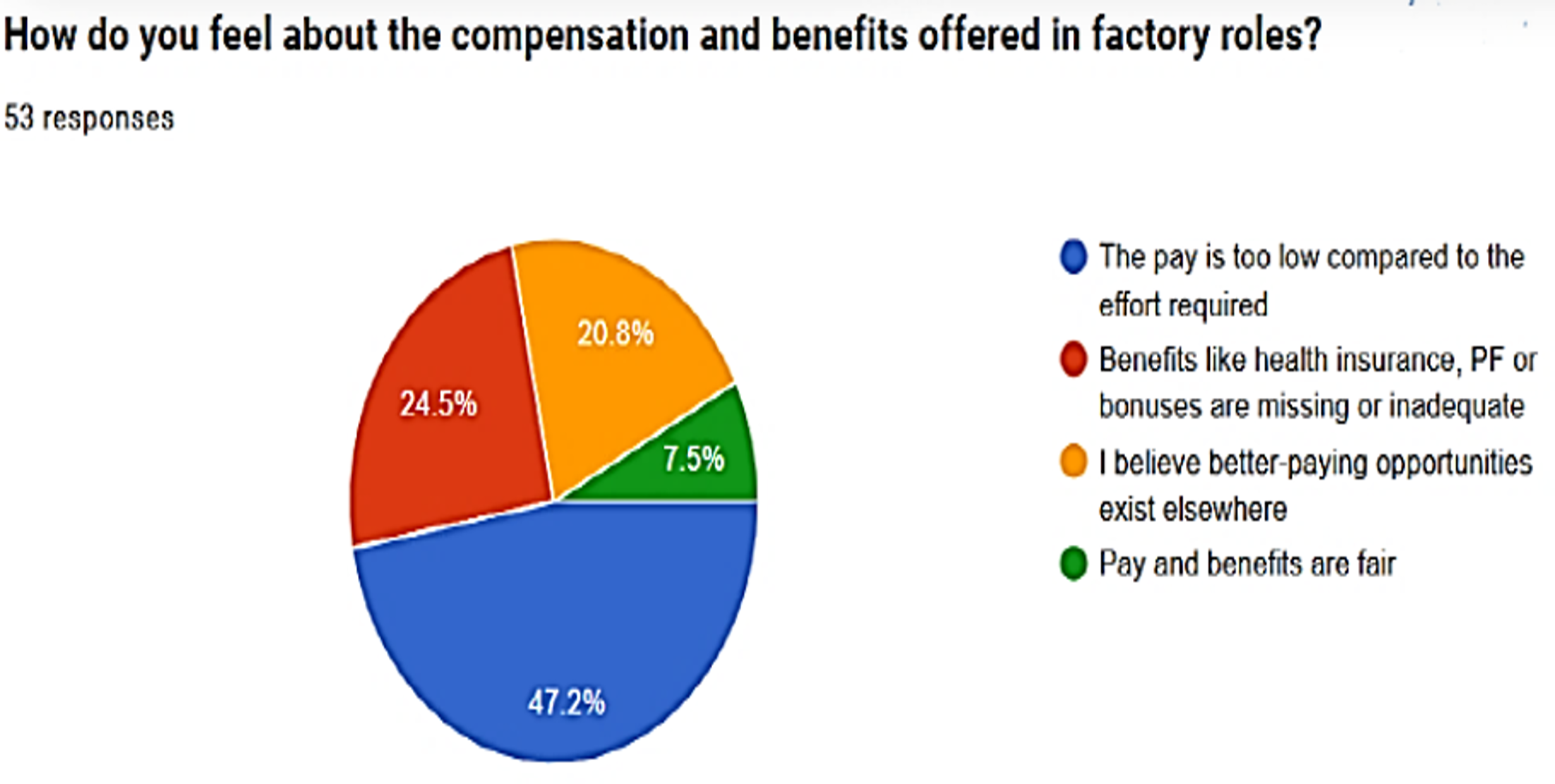
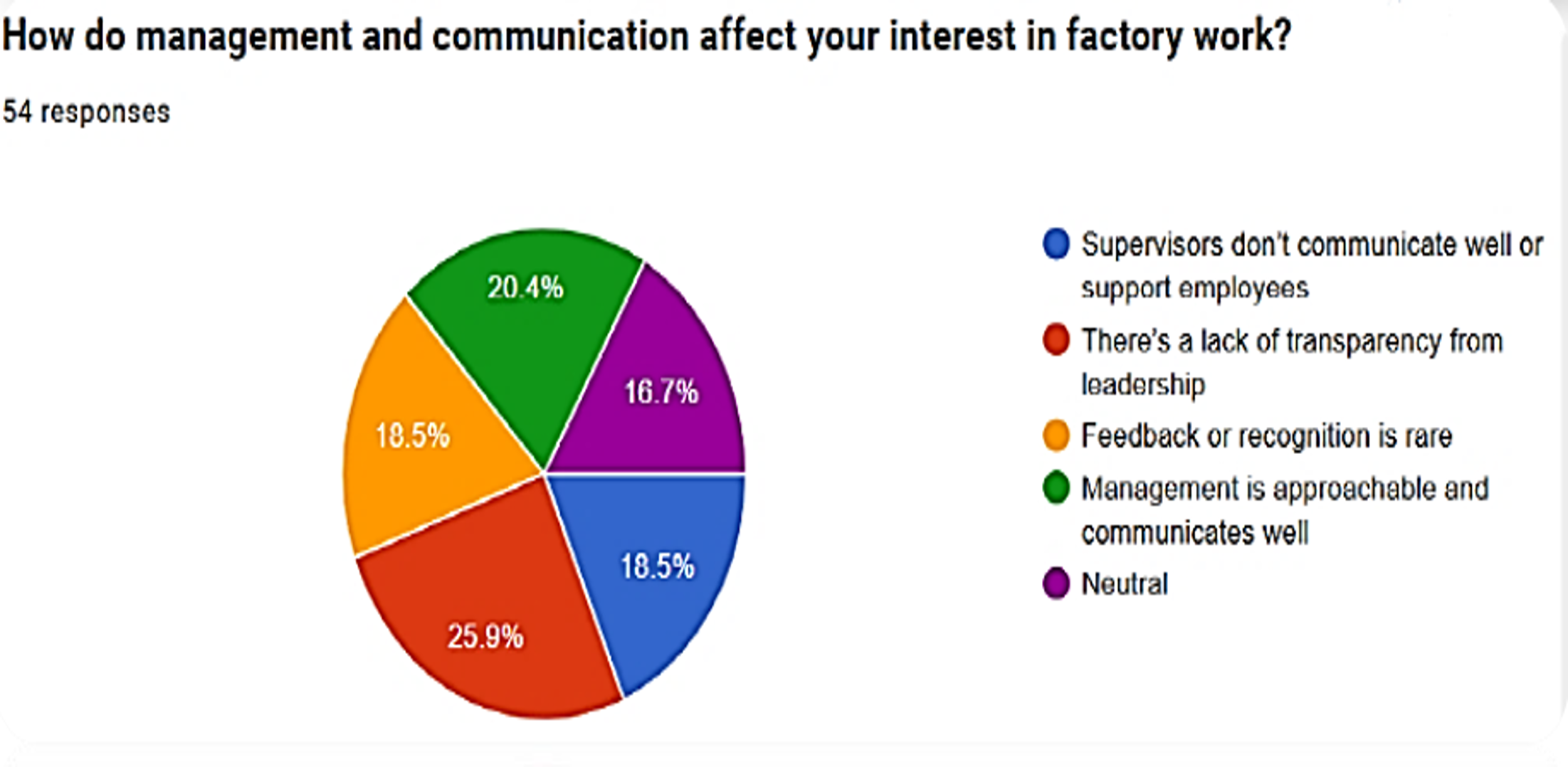
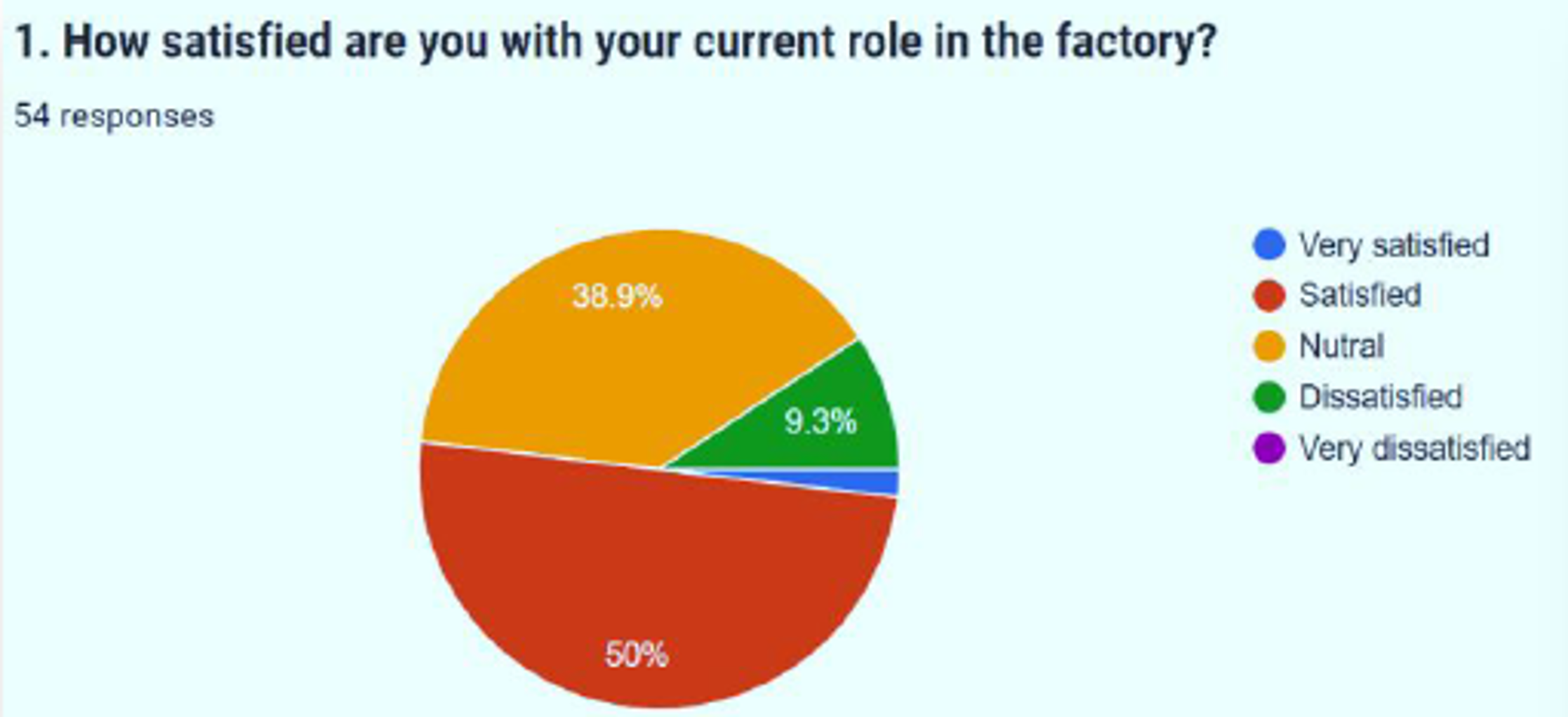
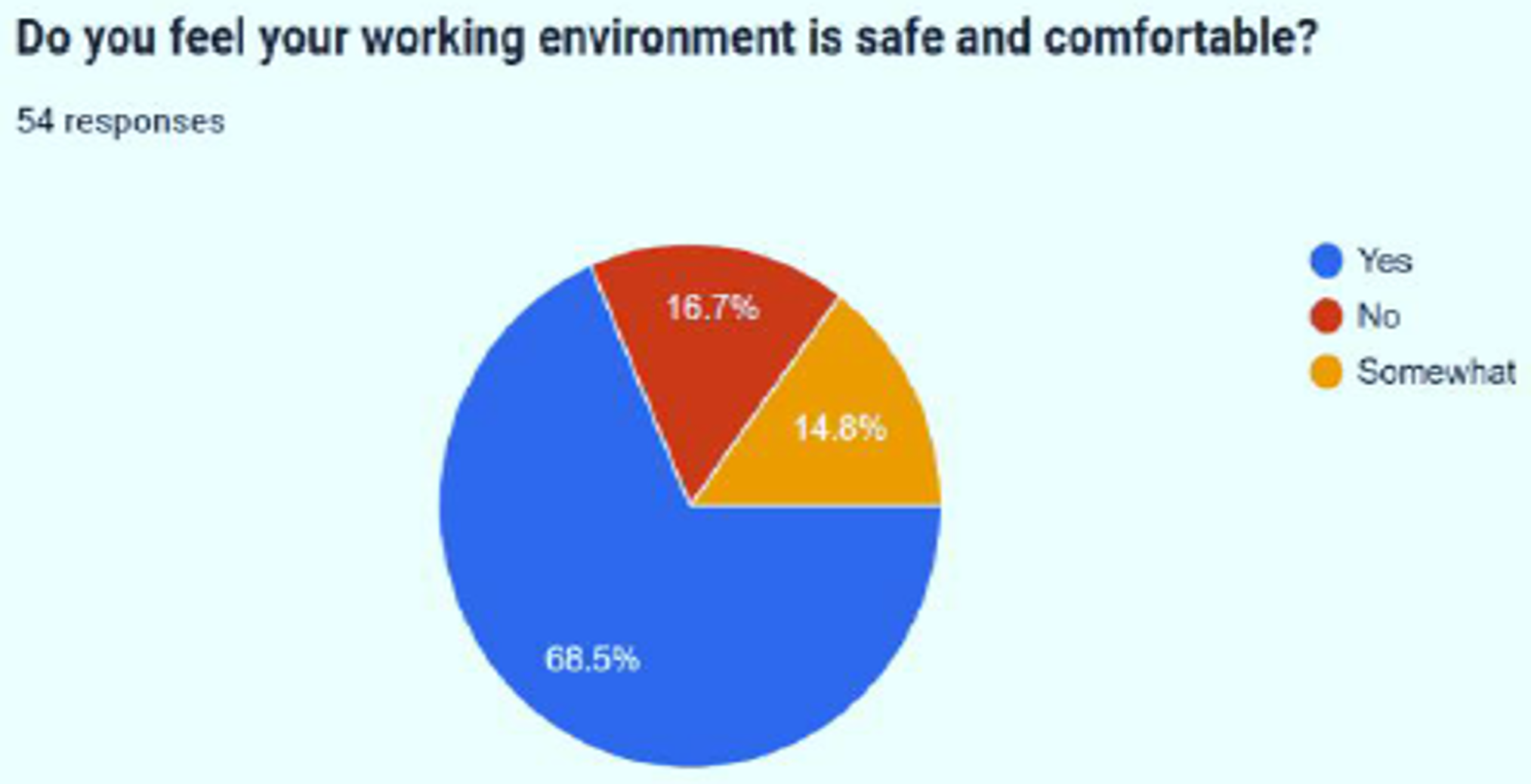
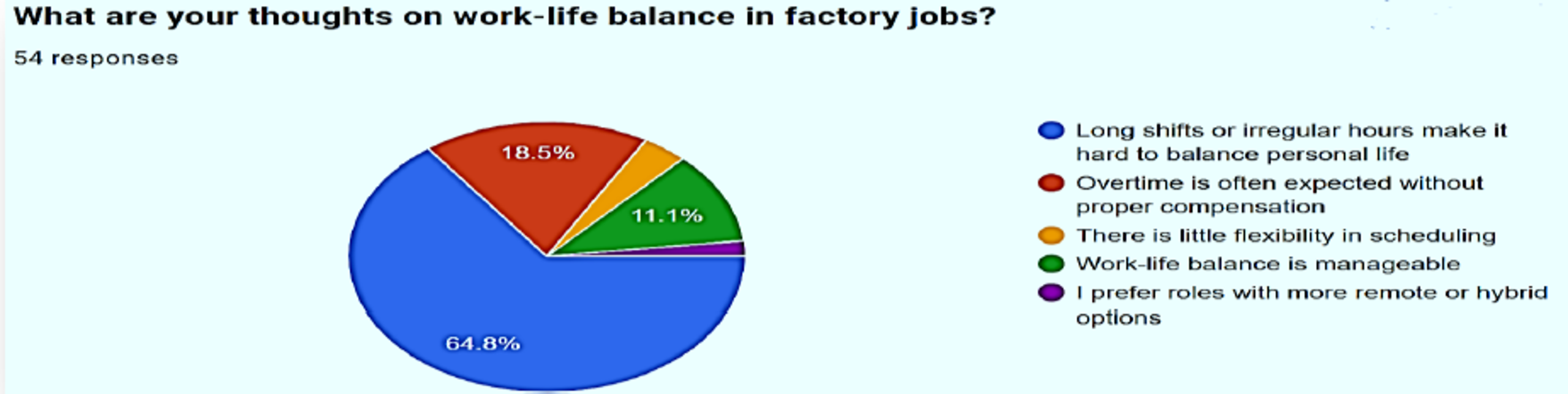
The survey shows that young professionals currently working in the sector feel satisfied in their roles and report a safe, comfortable environment. However, challenges remain—particularly with work-life balance and limited communication from management. Here’s a detailed analysis of why many young talents are still reluctant to join factory settings, exploring key strengths, weaknesses, systemic gaps, workplace dynamics, and ways to improve the overall experience
Strength of Young Talents
- Fast learner and able to deal foreigners
- Smart and updated communication skill
- Enjoys leadership and knowledge focused
- Able to handle pressure
- Enjoy Responsibility in friendly office culture Accept challenges with confidence
- Curious to gain practical knowledge Multitasking ability
- Might be a stepping stone for other manufacturing roles
Opportunities Within the Sector
- Entry level employees can shift to better-paying service jobs within short time.
- Has a Versatile job access like access to government, foreign trading & buying company Jobs.
What It Takes to Attract and Retain Young Talent in the Industry
- Minimum starting salary should be fair, e.g at least 28K
- Max 10-hour working timeline.
- Clear and practical leave policy & weekly holiday must
- Performance-based salary adjustment
- Paid for extra hours
- Mentorship and motivation support
- Friendly, team-based environment
- Recognition for good performance
- Supportive HR, no internal politics
- Simple, respectful exit process
Challenges in Sector Employment
- Low wages compared to alternative sectors
- Few benefits: Lack of insurance, bonuses or incentives
- Poor working conditions and lack of training
- Lack of recognition and employee motivation
- No clear career growth or promotion path
- Rigid management and lack of employee voice
- Long duty hours with Limited work life balance
Threats to Talent Retention in Sector
- Factory jobs are often viewed by young generations as less prestigious than corporate or freelance roles.
- Factory jobs feel less desirable when peers have modern roles.
- An authoritative and overly strict or unsupportive leadership style often leaves employees feeling undervalued and demotivated.
- Lack of feedback or appreciation can leave employees feeling disconnected and demotivated.
- Gen Z often prefers purpose-driven, creative roles over factory work.
- When factory goals don’t align with personal values, motivation drops
About the Author: Md. Mostafizur Rahman Pintu is currently working as a QA Leader at REDTAPE, with over 5 years of experience in the footwear sector. He began his career at RUNNER Footwear Ltd., then worked as a Quality Production Leader at Chinese trading company SUNCHOOSE before moving into a brand role. His career spans factory floors, trading desks, and brand management. As a buyer representative, he has worked with 9–10 factories, gaining deep insight into production processes and employee dynamics. This article is based on both his professional experience and survey feedback collected through Google Forms.