
As we enter 2025, the leather, footwear, and allied industries in Bangladesh face a series of pressing challenges. From political uncertainty surrounding the upcoming elections to inflation, banking issues, and labor strikes, these factors could significantly impact the sector’s growth. The key challenges ahead and their potential effects on the industries need to be considered very carefully.
INFLATION RISK:
- Inflation has been identified as the biggest risk to Bangladesh in 2025, with the 12-month average inflation rising to 10.34% in 2024 (from 9.48% in 2023).
- IMF forecasts an average inflation rate of 11% in 2025, with the interim government targeting a 7% reduction by June 2025
- Since shoe developments and pricing are set one or two seasons in advance, fluctuations in the exchange rate can lead to potential losses and create uncertainty for manufacturers
- Production costs for raw materials and labor have surged due to highest interest rates, increasing the cost of manufacturing in the leather, footwear, and allied sectors.
- The devaluation of the Taka has raised the price of imported materials, adding further strain on businesses, especially export-driven ones.

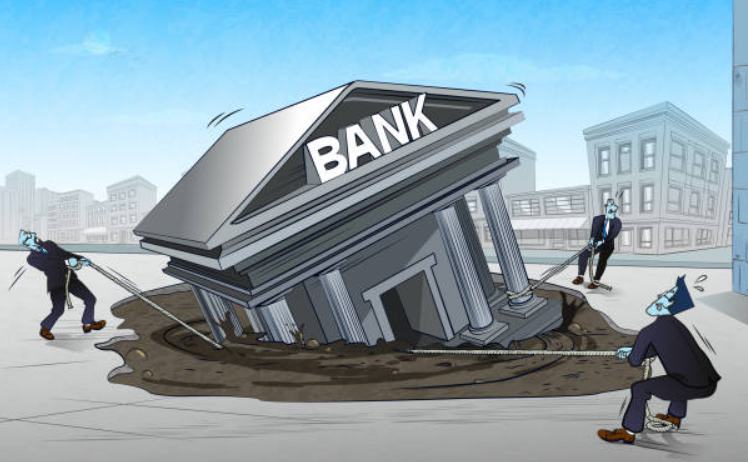
BANKING SECTOR:
- Ten banks are technically bankrupt and illiquid. Many financial institutions in Bangladesh are grappling with liquidity crises, operational inefficiencies, and weakened public and business confidence.
- Non-performing loans (NPLs) have reached Tk 2.85 lakh crore, putting significant pressure on export and business which challenge might need to be faced in 2025.
- The central bank's backtracking on its commitment not to provide liquidity support to ailing banks has raised concerns about policy credibility.
- A task force is working on banking sector reforms, with the IMF closely monitoring the situation.

POLITICAL UNCERTAINITY:
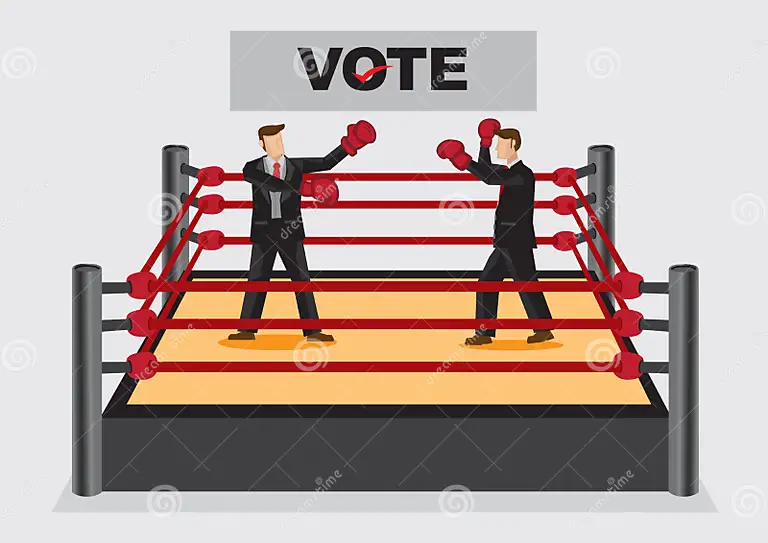
- Uncertainty over the national election timeline between end of 2025 to mid of 2026 will likely lead to political instability and Investment might be reduced expecting chaos and unrest related with national election.
- Due to overall law and order situation, workers' unrest could escalate, causing disruptions in production and delivery schedules.
- The police force, still grappling with a loss of public trust, will struggle to manage unrest and security issues in manufacturing areas, further complicating operations.
- Ongoing labor strikes and protests, similar to those seen in the past, may disrupt services and indicate difficulties in maintaining order, undermining business confidence.
- Unresolved political tensions could deter foreign investment, creating a climate of uncertainty and negatively affecting the overall growth of the leather and footwear sectors.
LEARNING LOSS:
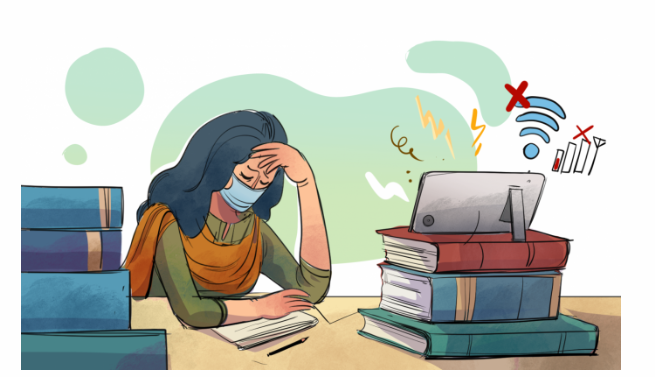
- In every 100 graduates, 13 face unemployment, underscoring a growing gap between education and job market requirements, which may widen in 2025 due to persistent learning losses.
- The recent student unrest, Reformation of authority after July-August 2024 movements disrupted university operations, causing significant learning losses and delays in skill development.
- Prolonged academic closures can create a vacuum of skilled workers, particularly affecting industries like leather, footwear, and allied sectors, which rely on specialized talent.
- While the Education Reform Commission is addressing these challenges, the long-term effects of these disruptions threaten industry growth and economic stability in 2025.
Source: The Daily Star,
The Business Standard & WEF report 2025